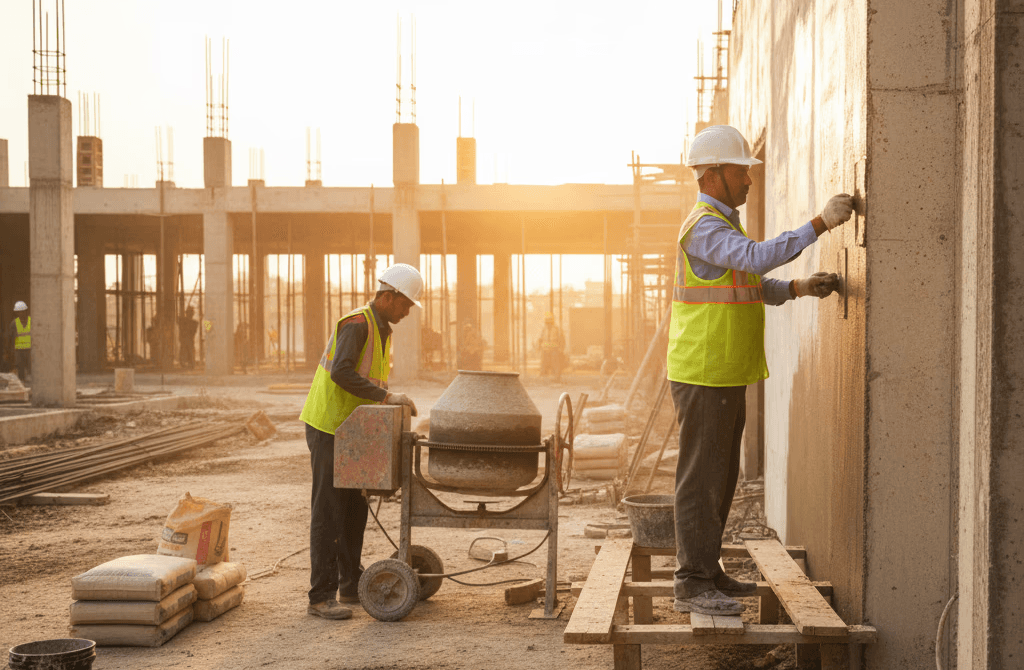
When you visit a property, the first things you notice are the layout, the finishes, and the overall design. These details make the home instantly appealing. But what truly determines the quality of a building is not always visible at first glance. Behind the walls and beneath the surfaces lies the real foundation of a strong structure.
The materials used, the structural system, and the construction practices followed during development play a crucial role in determining a building's safety, durability, and long-term performance.
Structural integrity determines how well a building stands the test of time and cannot be changed later like interiors, understanding a few key construction elements can help you better evaluate what makes a building truly strong.
1. Soil Quality
Good soil quality is fundamental to construction safety, stability, and long-term durability. Since every structure transfers its load to the ground beneath it, the strength and characteristics of the soil directly influence the building’s structural integrity.
Poor soil conditions can lead to foundation settlement, wall cracks, and structural instability, while strong and stable soil provides reliable support for the entire structure. Every developer conducts a soil investigation or geotechnical study to understand the properties of the land.
Key Aspects of Good Soil Quality in Construction
Load-Bearing Capacity
Good soil must be able to support the weight of the structure without excessive settlement or shifting. Higher bearing capacity allows foundations to safely transfer structural loads to the ground.
Stability and Expansion
Stable soils maintain their volume and strength under different environmental conditions. Soils like sand and gravel remain relatively stable, while expansive clay can swell when wet and shrink when dry, leading to structural stress.
Proper Drainage
Quality soil allows water to drain efficiently. Poor drainage can cause water accumulation around foundations, weakening structural support and increasing the risk of dampness or flooding.
Which soil is the best?
Rock, Gravel, and Dense Sand
These soils are generally considered ideal for construction due to their high load-bearing capacity, stability, and good drainage properties.
Clay, Peat, and Loose Soil
These soils may be less suitable for construction as they can be compressible or prone to expansion and shrinkage.
This is why soil quality investigation is one of the first and most critical steps in ensuring a building’s structural strength and long-term performance.
2. RCC Structural Framework
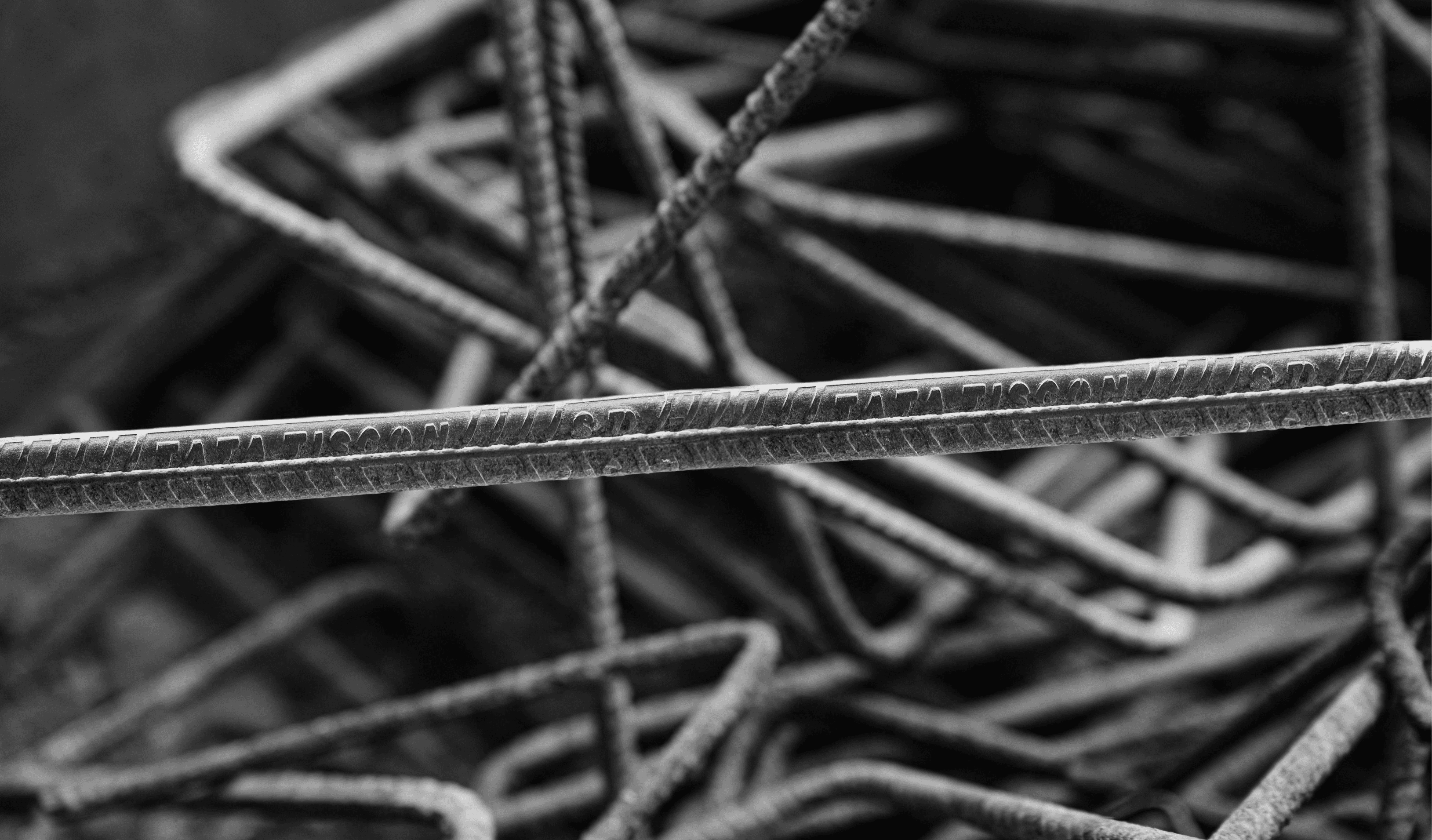
An RCC (Reinforced Cement Concrete) structural framework forms the backbone of most modern buildings. It consists of a network of columns, beams, slabs, and foundations made from concrete reinforced with steel bars.
Concrete provides compressive strength, while the embedded steel reinforcement provides tensile strength. Together, they create a strong structural system capable of safely carrying and distributing the loads of the building.
The RCC framework transfers the building’s load through different structural elements:
Slabs carry the floor load
Beams transfer the load from slabs
Columns carry the load vertically
Foundations transfer the load safely to the ground
A well-designed RCC structure helps the building remain stable under everyday loads as well as environmental forces such as wind and minor seismic activity. Because of this, the quality of materials and reinforcement steel plays a crucial role in ensuring structural safety and long-term durability.
At 75°E Homes, the RCC structural framework is built using Tata Steel reinforcement, ensuring higher structural strength and long-term durability compared to generic steel commonly used in construction. We prioritize superior quality materials to ensure the safety and security of our trusted buyers.
3. Crack Control in walls
Uncontrolled cracking can affect durability, appearance, and long-term performance of the structure. This is why crack control techniques are an important part of thoughtful construction.
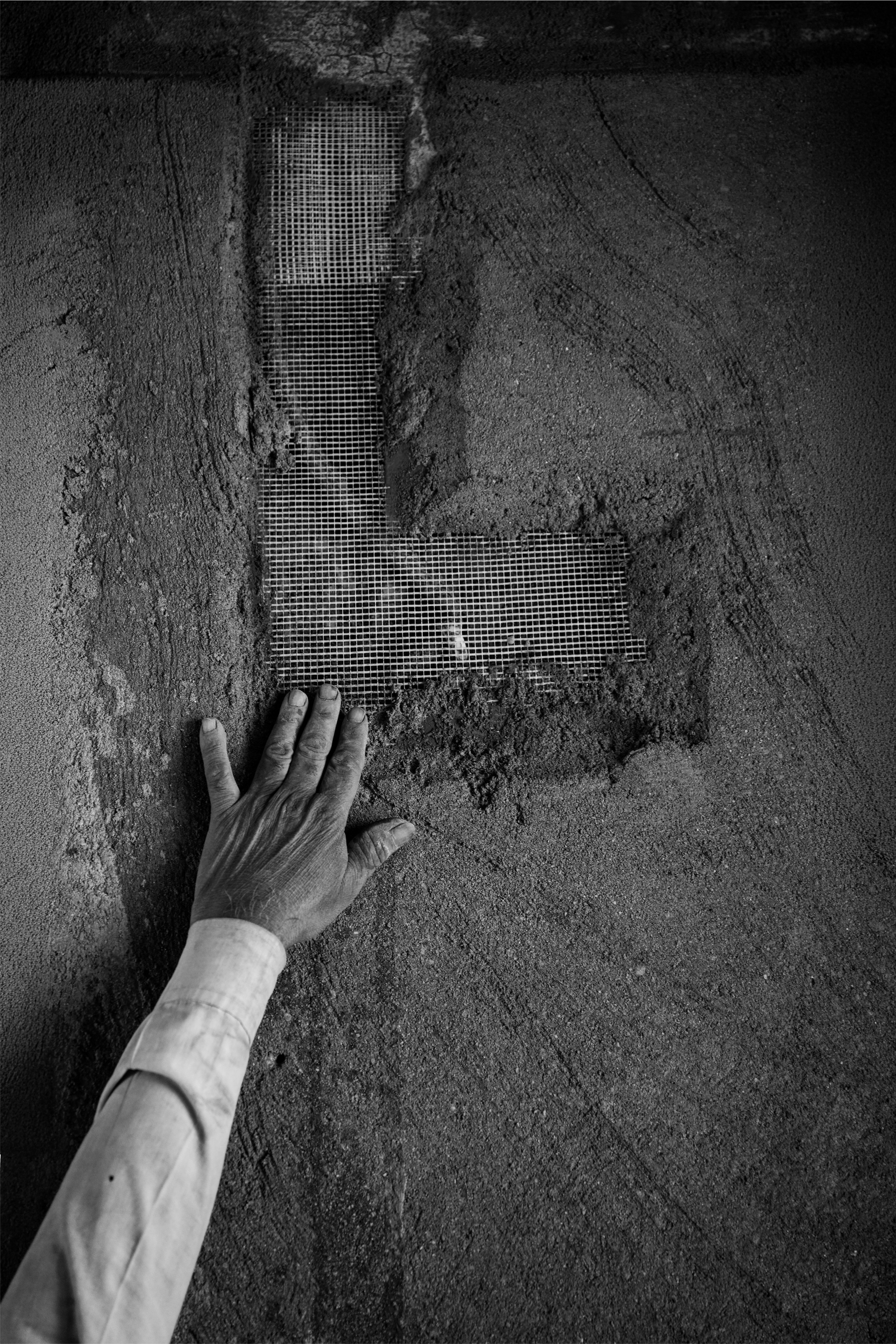
One effective method used to minimise surface cracking is fibre mesh plastering.
What is Fibre Mesh Plastering?
Fibre mesh plastering is a technique where a thin mesh material is embedded within the plaster layer during construction. The mesh acts like an internal support system within the plaster. By distributing stress across the wall surface, it helps hold the plaster together and reduces the chances of visible cracks forming over time.
This technique helps in:
Reducing surface cracks caused by shrinkage
Improving wall strength and stability
Enhancing resistance to temperature variations
Providing better durability to internal and external walls
By strengthening the plaster layer, fibre mesh reduces the chances of visible cracks over time and improves the overall finish quality of the walls. It is a practical step toward maintaining the structural integrity and long-term appearance of the building.
Conclusion:
Jaipur’s real estate market is growing rapidly, and buying a home should truly honor your hard-earned investment with long-term returns. It’s crucial to verify the developer, assess the structural quality, and understand the materials used in construction. These details make all the difference in the life and value of a home.
At 75°E Homes, we believe a home should be built on strong construction principles, not just attractive interiors, with careful execution and materials that stand the test of time.
If you’re looking for a premium home in Nirman Nagar, Jaipur, visit 75°E Homes and experience what quality construction really feels like.

" transform="translate(1 1)" width="18px"/></svg>)
3/4 BR SUITES & RESIDENCES
" height="18px" id="fRF05cpmK" transform="translate(1 0)" width="13px"/></svg>)
KINGS ROAD, NIRMAN NAGAR, JAIPUR